What is Motor Neuron Disease?
What is Motor Neuron Disease?
Motor neuron disease (MND) refers to a group of progressive disorders that affect the motor neurons in the brain, which are responsible for controlling muscle function. In individuals with MND, the communication between the brain and muscles is impaired, resulting in muscle stiffness, weakness, and eventually atrophy. As the disease advances, symptoms can lead to significant physical challenges and may necessitate respiratory support.
1. People Affected by MND
Motor neuron disease is relatively rare, particularly among individuals under the age of 40. Men in their 60s and 70s face a marginally increased risk of developing the condition. Identifying definitive risk factors remains challenging, and ongoing research aims to enhance our understanding. Although predominantly non-genetic, 5-10% of motor neuron disease cases are classified as "inherited MND," which result from genetic mutations transmitted from a parent.

2. Causes of Motor Neuron Disease

Motor neuron disease necessitates further research to uncover its underlying causes. Presently, researchers are investigating a combination of genetic and environmental factors that may contribute to the disruption of neural signals. Potential theories include viral infections, exposure to toxins, premature aging of motor neurons—which can stem from various causes—and a deficiency of growth factors essential for motor neuron survival.
3. Symptoms of Motor Neuron Disease

Motor Neuron Disease (MND) remains challenging to diagnose, but specific symptom progression can aid in its identification. The condition is characterized by limb weakness, muscle spasms or cramps, and diminished grip strength. In rarer cases, individuals may exhibit poor coordination and slurred speech. As the disease advances, significant muscle mass loss can lead to noticeable thinning of the arms and legs.
4. The Motor Neuron Diseases

In the United States, amyotrophic lateral sclerosis (ALS), also known as Lou Gehrig's disease, is the most prevalent among the four primary motor neuron diseases. Diagnosing motor neuron diseases (MND) can be complex and time-consuming for medical practitioners, as it relies heavily on the presentation of symptoms. The diagnostic process is further complicated by the significant overlap in symptoms among the different types of MNDs.
5. Amyotrophic Lateral Sclerosis (ALS)

Amyotrophic lateral sclerosis (ALS) is the most prevalent motor neuron disease, typically manifesting initially as weakness in the arms and legs or difficulty with hand coordination. Early symptoms may include unexplained muscle twitches or spasms, indicating muscle degeneration. The average life expectancy for individuals diagnosed with ALS is between two to five years from onset. 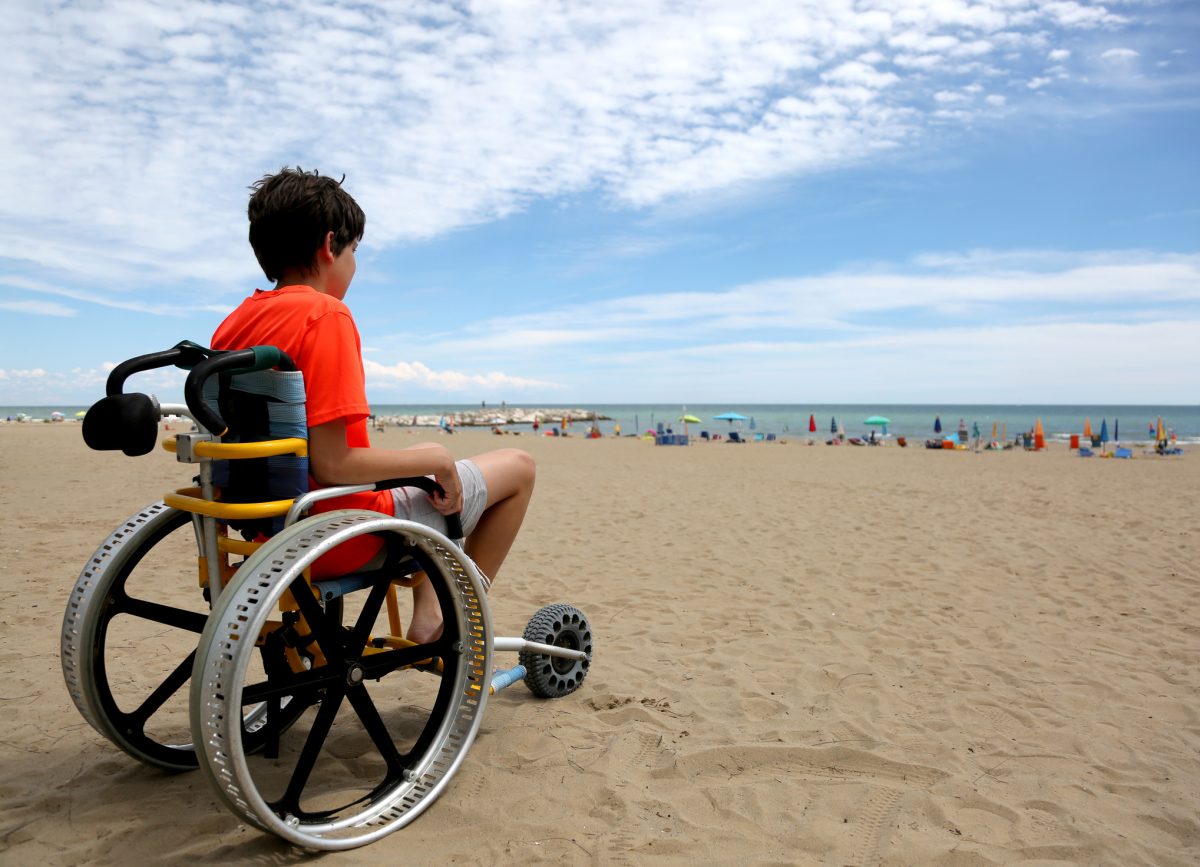
6. Progressive Bulbar Palsy (PBP)

Progressive bulbar palsy (PBP), a form of motor neuron disease (MND) also referred to as bulbar onset MND, primarily impacts muscles associated with facial functions, including the tongue and throat. Early indicators of PBP include slurred speech and difficulty swallowing. Unfortunately, individuals diagnosed with PBP often have a shorter life expectancy compared to those with amyotrophic lateral sclerosis (ALS), typically ranging from six months to three years.
7. Progressive Muscular Atrophy (PMA)

Progressive muscular atrophy (PMA) is a relatively rare motor neuron disease that primarily affects the nerves in the spinal cord, progressing more slowly than conditions such as ALS or PBP. Initial symptoms often include hand weakness or clumsiness. Patients diagnosed with PMA typically have a significantly higher life expectancy, generally living more than five years after symptom onset.
8. Primary Lateral Sclerosis (PLS)

Primary lateral sclerosis (PLS) is recognized as the rarest form of motor neuron disease. Predominantly impacting the lower limbs, PLS progresses at a notably slow rate compared to other types. Individuals diagnosed with PLS generally have a life expectancy ranging from ten to twenty years post-onset. Effective management of symptoms through various treatments allows for prolonged independence, significantly longer than that observed in other motor neuron diseases.
9. Diagnosing Motor Neuron Diseases

Motor neuron diseases (MND) are challenging to diagnose due to the lack of a definitive test. To exclude conditions such as ALS or other MNDs, healthcare professionals typically employ a combination of diagnostic methods including blood tests, brain or spinal imaging, and electrophysiological tests. A lumbar puncture may also be performed to obtain a sample of cerebrospinal fluid for further examination.
10. Treatments for Motor Neuron Diseases

Currently, there is no cure for motor neuron diseases (MND). However, treatments are available to mitigate the symptoms and improve the quality of life for affected individuals. These treatments include occupational therapy, physiotherapy, and speech therapy. Certain medications can slow the disease's progression, while others can alleviate muscle stiffness and cramping. Researchers continue to actively seek a cure for MND.


